If you’ve been searching russian manicure vs other techniques, you’re not alone. Many Orlando clients type “Russian manicure vs gel” expecting two opposite services — but gel isn’t the opposite of Russian manicure. At de Payölle in MetroWest, that isn’t how the menu works.
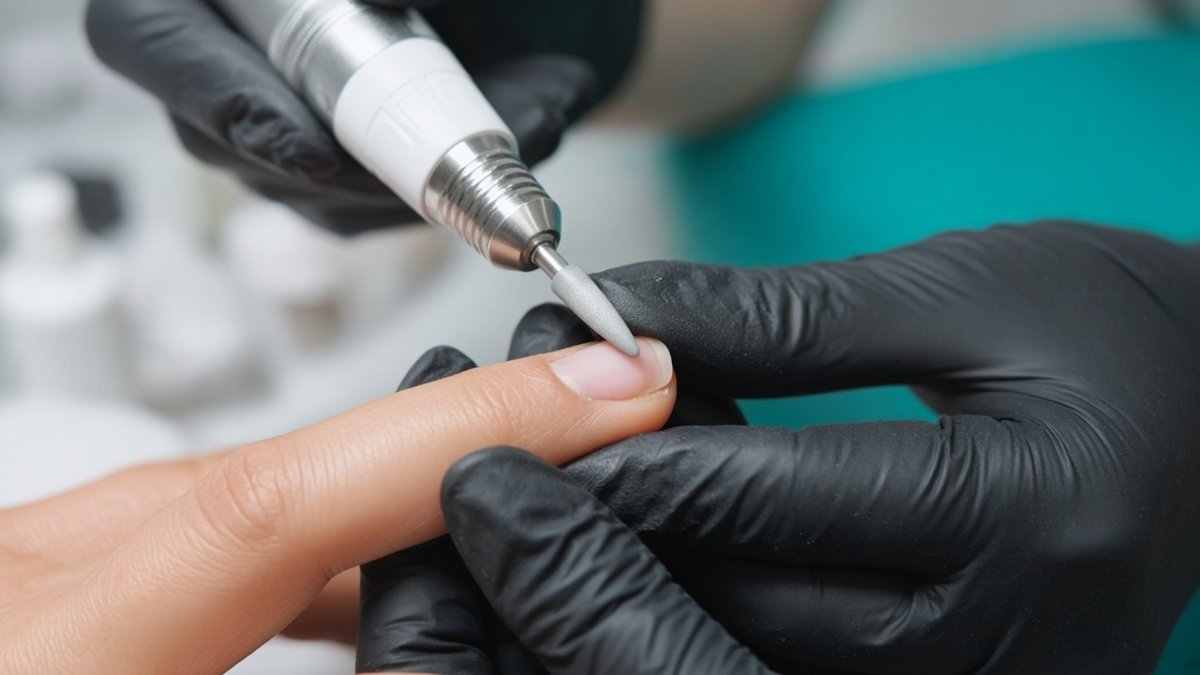
A Russian manicure here is a dry e-file prep technique finished with gel polish. Gel is included on the standard Russian manicure menu. The real comparison is not “gel versus no-gel.” It is dry Russian e-file prep versus other manicure techniques (classic/wet prep and related methods) — plus how soft gel, hard gel, or a structured overlay fits after that prep.
Below: prep side-by-side, why dry plates matter for adhesion, soft vs hard gel after prep, and what to expect in MetroWest. Call (407) 704-1022 or make an appointment.
First, clear up the confusion: prep technique vs coating
A manicure has two layers:
- Prep — how the cuticle and nail plate are cleaned and refined before color.
- Coating — the product cured on top (gel polish, soft gel, hard gel, structured overlay).
Russian manicure is the first layer: a dry, waterless e-file approach that refines the cuticle area and dead tissue on the nail plate near the fold. Gel is the second layer. A “Russian gel manicure” means Russian prep plus gel — how we frame the service at de Payölle.
Search results often blur those layers. We lead with the technique comparison so MetroWest clients leave clearer, not more confused.
What “other manicure techniques” usually means
When people say “regular gel,” “classic gel,” or “spa gel,” they usually mean gel color on a different foundation:
- Classic / wet gel manicure — water soak, then push/trim/nip, then gel color.
- Combination prep — some dry work mixed with hand tools; varies by salon.
- Speed / express gel — shorter cuticle work and faster chair time.
None are “wrong” — they serve different goals: speed, spa comfort, or precision longevity.
Russian manicure vs other techniques: side-by-side
Same product category (gel), different prep:
| Feature | Russian gel manicure (dry e-file) | Classic / wet gel manicure |
|---|---|---|
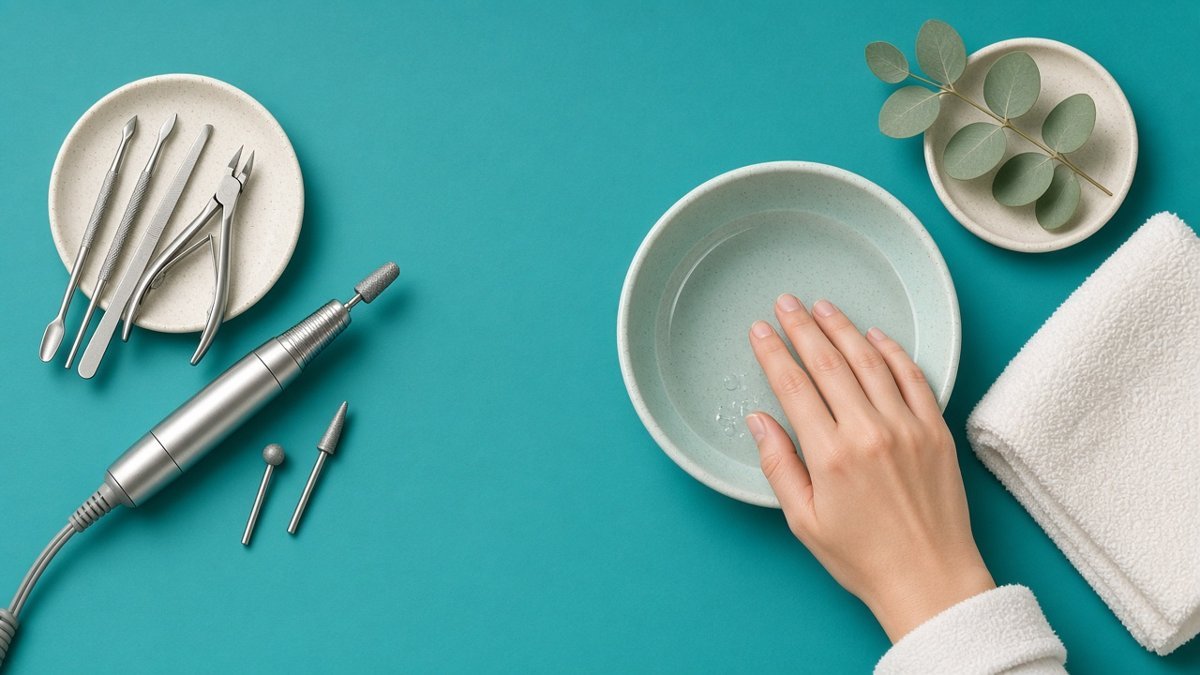
| Water soak | No — dry, waterless prep | Often yes |
| Cuticle work | E-file with precision bits; refine dead tissue on the plate | Softener, pusher, nippers (varies by salon) |
| Nail plate at application | Stays dry | May expand during the soak, then contract as it dries |
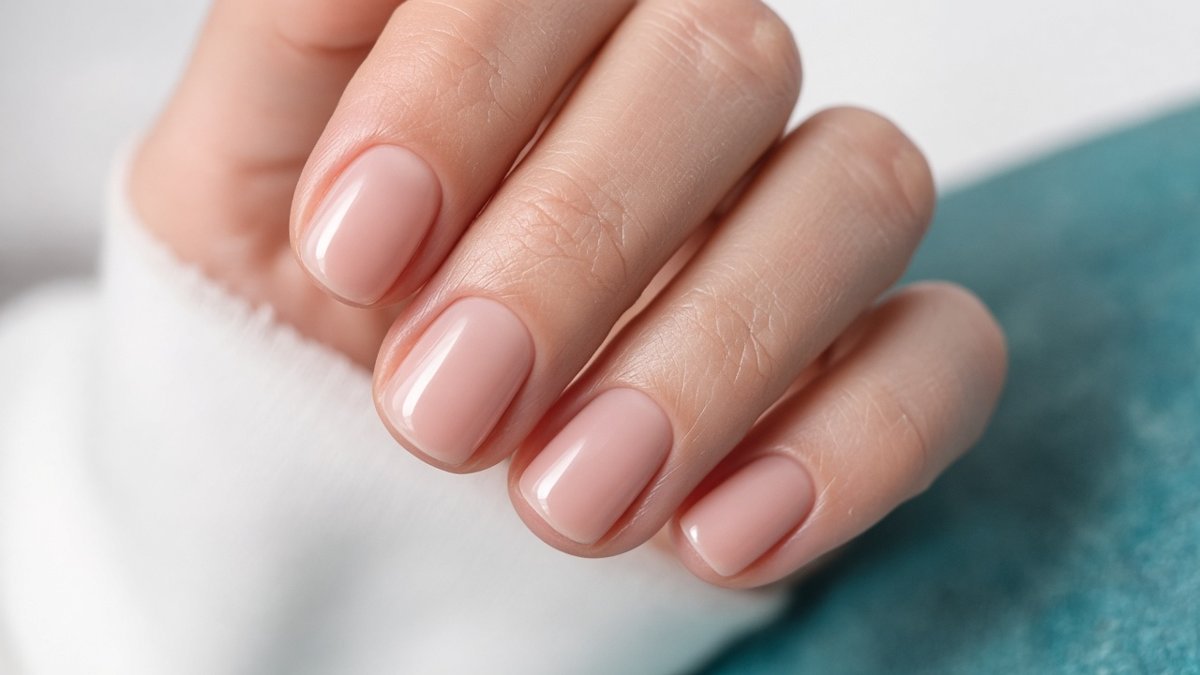
| Cuticle finish | Ultra-close, clean line (flush / zero-gap look) | Typically a more visible early gap at the fold |
| Typical chair time | Longer / detail-forward (~1 hour 15 minutes at de Payölle) | Often shorter |
| Wear language at de Payölle | Site: 3–6 weeks with gel Russian manicure | Wear varies; wet-prep sets can show lifting or grow-out gap sooner for some people |
| Skill dependency | High — trained e-file control | Standard cuticle training (varies widely) |
Why dry prep matters for gel adhesion
A water soak can cause the nail plate to absorb moisture and expand. As it dries afterward, it contracts. That cycle can stress the gel bond and raise early-lifting risk for some people.
Dry prep skips the soak, so gel meets a plate that was not just flooded with water. In Central Florida — pools, humidity, hand-washing — longevity matters. Results still vary; we stay within the 3–6 weeks language on our Russian manicure page.
The cuticle line and grow-out look
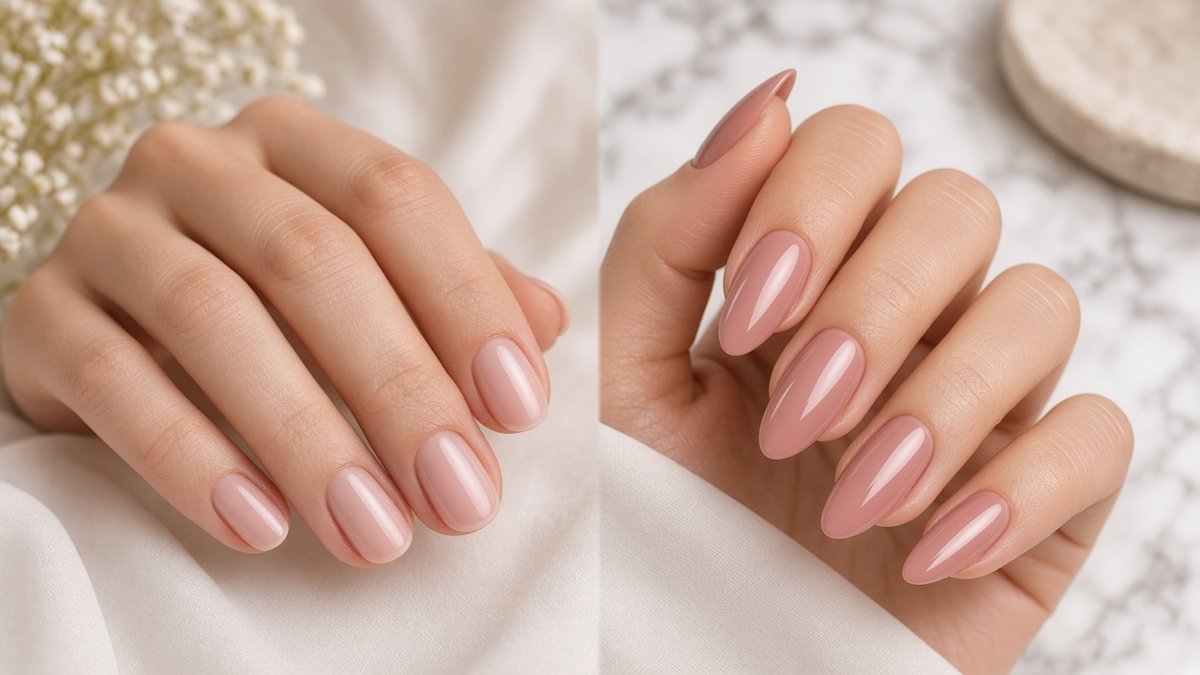
Russian e-file prep refines the cuticle area so gel can sit closer to the fold without flooding living skin. That flush line is why clients often say the set “still looks fresh” weeks later.
Two ideas matter:
- Wear integrity — whether the gel stays bonded without peeling or lifting.
- How fresh the cuticle line looks — how clean the color edge appears as nails grow.
Classic wet gel can look beautiful on day one; the difference often shows in grow-out.
Soft gel, hard gel, and structured overlays (product layer after prep)
Prep choice and product choice are two decisions. After Russian dry prep, you still choose how much structure you want on top.
From our salon FAQ:
- Soft gel — more flexible; natural feel for shorter or medium nails. Typical wear on site: about 3–4 weeks.
- Hard gel — more durable and structural. Typical wear on site: up to 5–6 weeks.
- Hard gel overlay — add-on when nails are flexible, peeling, or breakage-prone. Not a medical treatment.
- Gel nail extensions + Russian manicure — separate menu path (from $140) for length. Do not conflate with a natural-nail Russian gel manicure.
Who might prefer soft gel after Russian prep
Choose soft gel for a flexible feel on short-to-medium natural nails when you do not need heavy structure. You keep dry Russian cuticle precision with a lighter coating.
Who might prefer hard gel / structured support
Choose hard gel or a structured overlay if nails bend, peel, or break easily. Your artist assesses plate condition in person — practical support, not a cure claim.
How long does a Russian manicure last?
Our live site describes 3–6 weeks of clean wear for a Russian manicure with gel. For top condition, many clients book about every 3 weeks.
What affects your wear window:
- Nail growth rate
- Water exposure, pools, and hand-washing
- Typing, gym, gardening, and daily friction
- Aftercare (cuticle oil, gloves for harsh cleaners)
- Soft gel vs hard gel / overlay choice
Central Florida heat, sunscreen, and pool time are normal here. If a set lifts early, come in — do not pick at the free edge.
Is a Russian manicure (e-file) approach right for you? Safety & fit
E-file Russian manicure is skill-dependent. Done carefully, it can create a clean, long-wearing gel set; rushed or poorly trained e-file work can irritate skin or over-thin the plate. Ask about training and tool handling at any salon.
At de Payölle:
- Tools are sterilized and kept in sealed pouches opened in front of you.
- Our nail team uses European-trained Russian manicure technique and works under Florida licensing requirements.
- Appointments are detail-forward (~1 hour 15 minutes), not rush-chair color swaps.
Red flags anywhere: pain that is ignored, bleeding treated as normal, dirty or reused open tools, or a technician who will not slow down when you ask.
Who should ask for a consultation first: very sensitive skin around the nails, active irritation, recent infection, or anyone unsure about e-file. We can talk options in person — this is not a diagnosis.
What to expect at de Payölle in Orlando MetroWest
Service: Russian manicure with gel polish included. Dry e-file cuticle prep, no water soak.
Typical length: about 1 hour 15 minutes (French, nail art, or hard gel overlay take extra time).
Pricing (always “from”; see the live price list):
| Service | From |
|---|---|
| Short / medium nude Russian manicure | $80 |
| Short / medium color Russian manicure | $90 |
| Long nude Russian manicure | $90 |
| Long color Russian manicure | $100 |
| Hygiene Russian manicure (no polish) / His manicure | $70 |
| Gel nail extensions + Russian manicure | $140 |
French design, nail art, and hard gel overlay are available as add-ons.
Visit us:
- Address: 6425 Raleigh Street, Orlando, FL 32835 (MetroWest — near the Kirkman Rd / Dr. Phillips corridor)
- Phone: (407) 704-1022
- Hours: Tue–Fri 10am–7pm · Sat 9am–6pm · Sun–Mon closed
More on the nails overview and Russian manicure pages.
FAQ
Is a Russian manicure the same as a gel manicure?
No. Russian manicure is a prep technique (dry e-file cuticle and plate work). Gel is a coating. At de Payölle they are combined: Russian prep finished with gel polish on the standard menu.
What’s the difference between Russian manicure and other classic manicure techniques?
Both can end in gel color. Russian gel manicure uses dry e-file prep with no soak. Classic gel manicure usually uses a water soak plus hand tools before gel. Dry prep supports a closer cuticle line and often cleaner long-term adhesion for many clients.
Why doesn’t Russian manicure use a water soak?
Keeping the nail plate dry avoids the expand-and-contract cycle that can follow a soak. That helps gel bond to a stable surface and supports the flush cuticle finish.
How long does a Russian manicure with gel last?
Our site describes 3–6 weeks of clean wear. Many clients return about every 3 weeks. Lifestyle and product choice (soft vs hard gel) affect your personal window.
Is e-file / Russian manicure safe for my nails?
Safety depends on training, pace, and hygiene. At de Payölle, instruments are sterilized and opened from sealed pouches in front of you. If you have active irritation or medical concerns around the nails, ask for a consultation first or speak with a clinician.
Soft gel vs hard gel — which should I choose after Russian prep?
Soft gel for a flexible feel (about 3–4 weeks on our FAQ language). Hard gel for more structure (up to 5–6 weeks). Weak or breakage-prone nails may benefit from a hard gel overlay add-on — your technician will advise in person.
Do you offer Russian manicure without polish?
Yes. Hygiene Russian manicure (no polish) / His manicure starts from $70. You still get dry e-file grooming without gel color.
Where is de Payölle / how do I book?
6425 Raleigh Street, Orlando, FL 32835 (MetroWest). Call (407) 704-1022 or make an appointment. Hours: Tue–Fri 10am–7pm, Sat 9am–6pm; closed Sunday and Monday.
Book a gel Russian manicure in MetroWest
If you came here for russian manicure vs other techniques, the takeaway is simple: at de Payölle, Russian manicure uses gel — the real difference is dry e-file prep versus classic wet and other manicure methods.
Ready to feel that dry-prep finish with gel included? Call (407) 704-1022, book an appointment, or read more on our Russian manicure page. Ask about soft gel, hard gel overlay, or your first visit — we’re at 6425 Raleigh Street in MetroWest Orlando.